Safety standards play a critical role in the design, development, and deployment of medical instruments. These standards ensure that medical devices operate reliably, accurately, and without posing any risk to patients, healthcare professionals or the surrounding environment. Given that many medical instruments are used in life-critical applications, adherence to internationally recognized safety and regulatory standards is essential.
Medical devices must be designed with a strong focus on electrical safety, mechanical integrity, electromagnetic compatibility (EMC), and biological safety. Compliance with these standards not only ensures patient protection but also enhances product quality, reliability, and global market acceptance.
Importance of Safety Standards
Key Electrical Safety Standards for Medical Instruments
Medical instruments must comply with several internationally recognized electrical standards, including:
Features
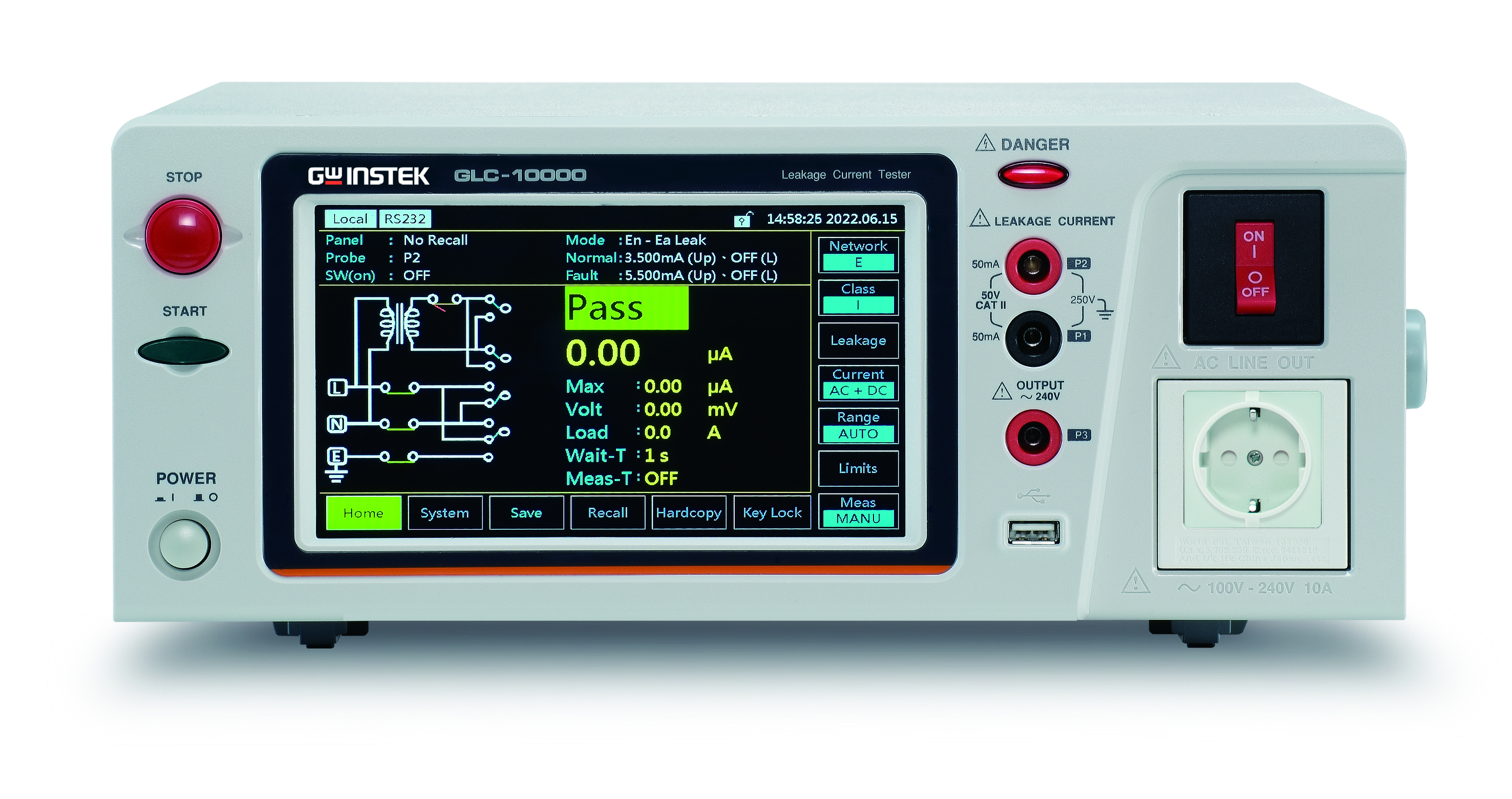
The GW Instek GPT-15003 is a high-performance electrical safety tester designed to ensure the safety, reliability, and compliance of medical electrical equipment. Is widely used in medical device manufacturing, quality assurance, and testing laboratories to verify insulation integrity and electrical safety.
The GPT-15003 helps support testing in accordance with key safety standards:
Features
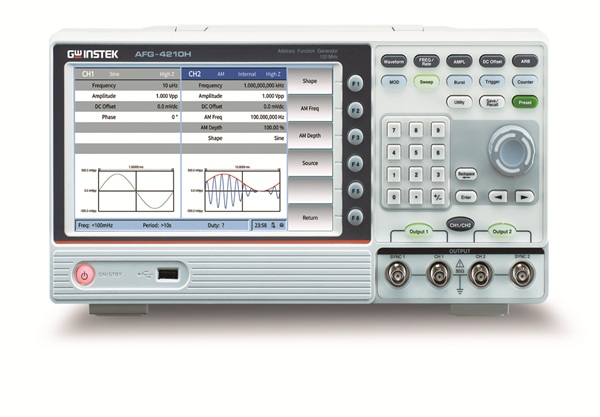
The GW Instek AFG-4000 Series is a high-precision arbitrary function generator designed to support medical device development, validation, and testing. It enables accurate simulation of physiological and electronic signals, ensuring reliable performance and compliance of modern medical equipment.
Physiological Signal Simulation
The AFG-4000 Series can generate complex and customizable waveforms to simulate real biological signals such as:
Features
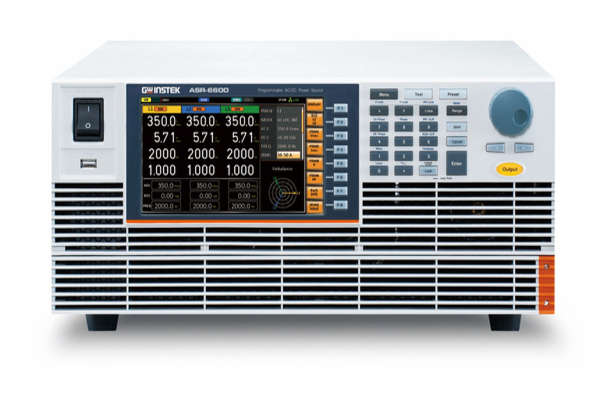
The GW Instek ASR-6000 Series is a programmable AC/DC power source designed for medical device testing, validation, and compliance. It enables precise simulation of real-world power conditions, ensuring the safety, reliability, and performance of critical healthcare equipment.
Critical Roles in Medical Testing
The ASR-6000 functions as a highly stable AC/DC source that ensures medical devices operate safely and reliably under various electrical conditions.
Features
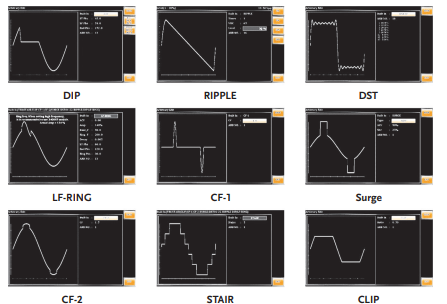
ASR-6000 provides more than 40 built-in waveforms includes TRI, STAIR, CLIP, CF-1, CF2, SURGE, DST01-22, RIPPLE, DIP, LF-RING. Each waveform also provides a change setting function, which can modulate thousands of combined waveforms and can emulate different AC output voltage conditions.
Applications
Vision Engineering microscopes play a critical role in modern medical and biomedical fields, supporting everything from device manufacturing and quality assurance to advanced life science research. The patented eyepiece-less optical technology and ergonomic 3D visualization systems provide unmatched clarity, precision, and user comfort—making them ideal for demanding clinical, laboratory, and cleanroom applications.
Applications


Supporting Medical Device Quality Standards
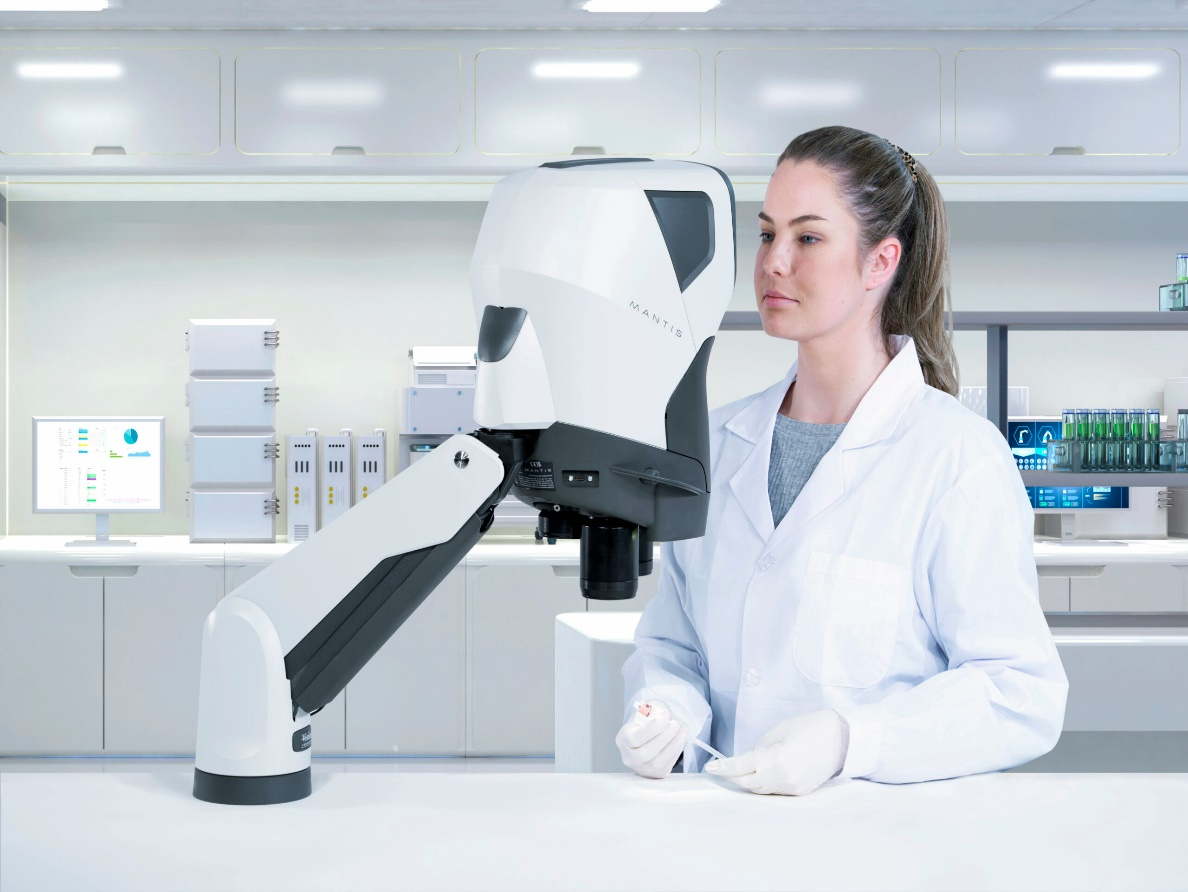
MANTIS is a stereo microscope trusted by thousands of customers globally for excellent high-quality images for a wide range of applications in an easy-to-use ergonomic package. Eyepiece-less stereo microscope with dynamic view optics and integrated camera.

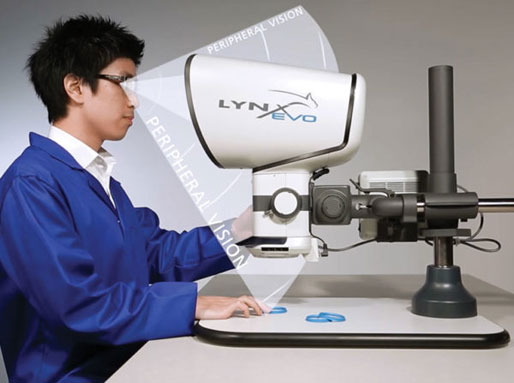
The Lynx EVO from Vision Engineering is an award-winning eyepiece-less stereo microscope designed for high-precision inspection, rework, and biomedical applications. It is widely used in medical device manufacturing, laboratories, and electronics in healthcare systems due to its combination of ergonomics, 3D visualization, and high-resolution imaging.
Features
Medical electronics — patient monitors, implantable device electronics, diagnostic instruments, infusion pumps and disposable sensor assemblies — are high-reliability, often life-critical products manufactured under strict quality systems such as ISO 13485 and workmanship standards like IPC J-STD-001 Space and Medical Applications Addendum. Every solder joint must be consistent, well-formed and free of thermal damage to sensitive components. JBC's Intelligent Heat Management delivers instant heating and fast temperature recovery, giving medical device manufacturers precise, repeatable joints with minimal thermal stress on delicate PCBs and components, while ESD-safe tools and stands support cleanroom and controlled-environment assembly. JBC Medical Engineering soldering and rework solutions include:
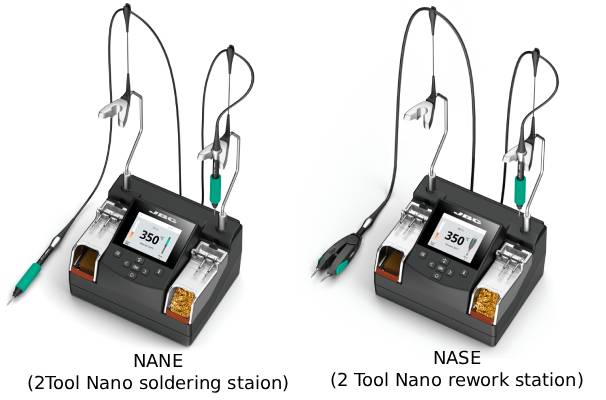
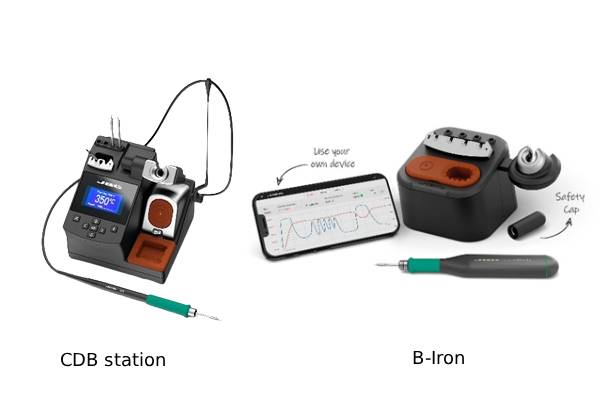
Implantable device electronics (pacemakers, insulin pumps, neurostimulators) and diagnostic instrument PCBs carry dense, fine-pitch components on small, often flex or rigid-flex boards that cannot tolerate excess heat or handling stress. JBC's Nano and Compact stations give medical device assemblers precise, low-thermal-stress soldering for reliable, repeatable joints.
Typical use case example: During implantable-device PCB assembly, a technician uses a Nano station to hand-solder fine-pitch components on a miniature rigid-flex board without disturbing adjacent parts or overheating the flex substrate.
Nano Stations
Soldering and rework for the smallest SMD components on implantable and diagnostic boards
General-purpose soldering stations for medical device assembly and lab benches
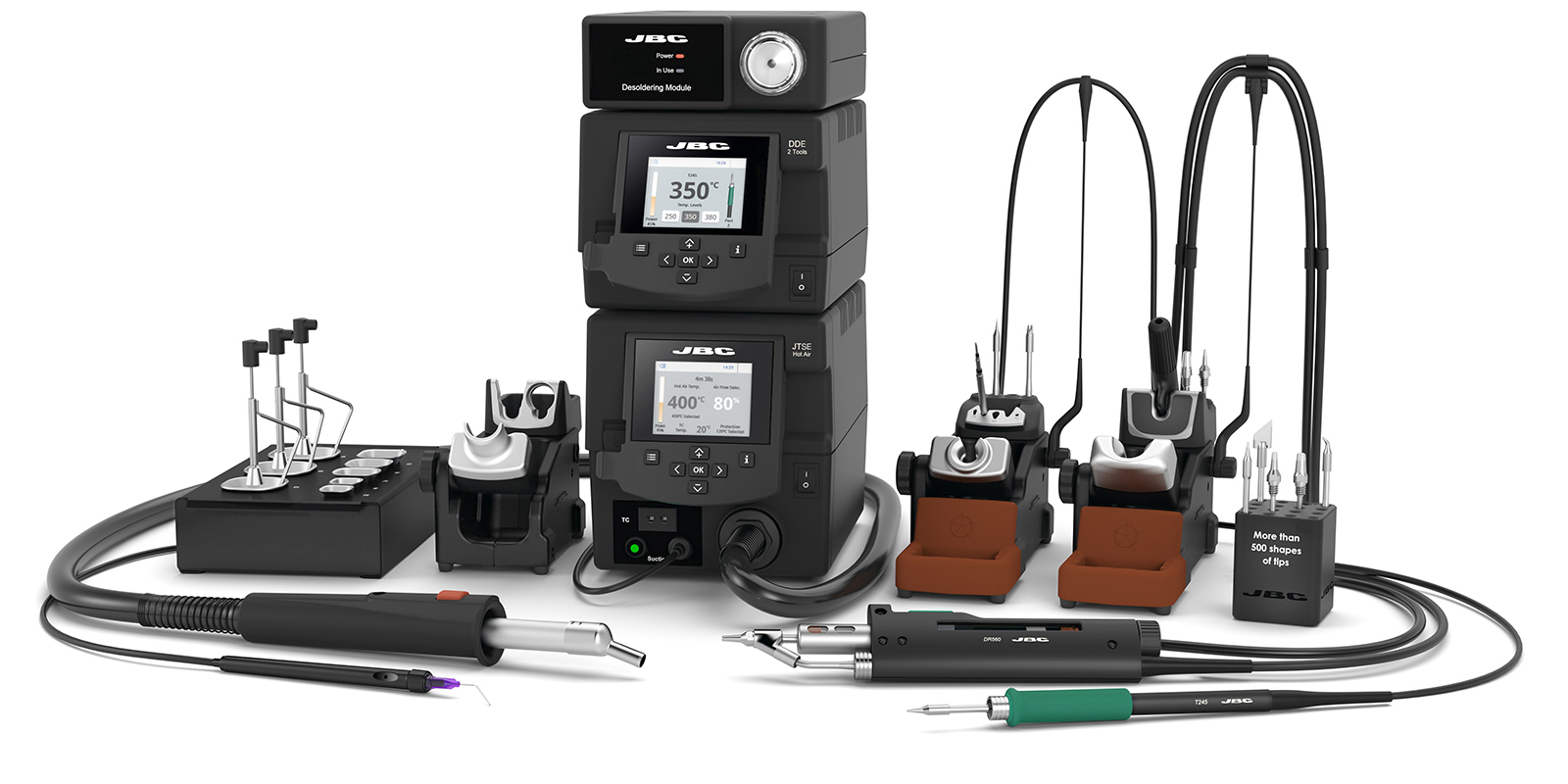
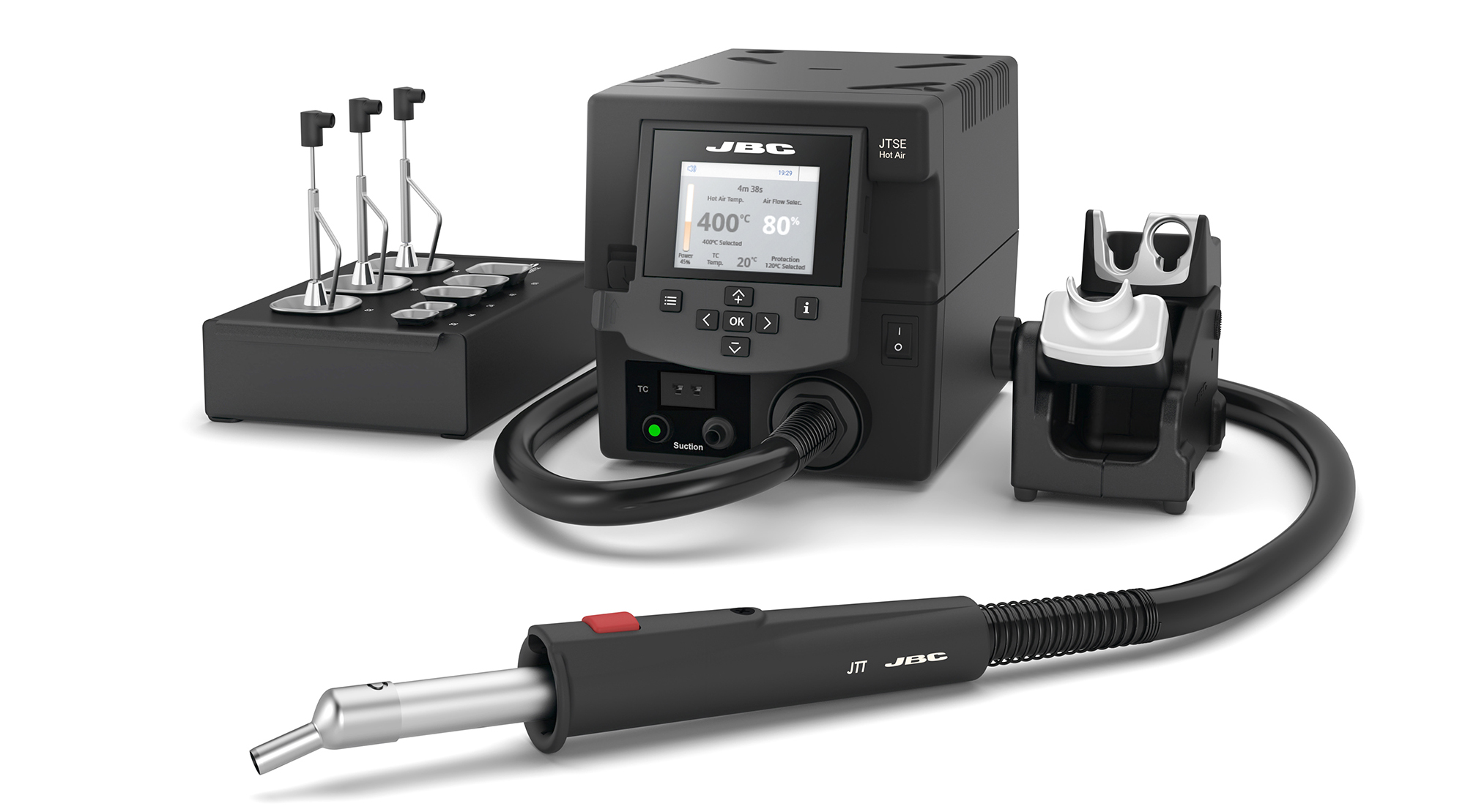
Patient monitors, imaging systems and diagnostic electronics increasingly use BGA, QFN and other fine-pitch packages. JBC's rework systems combine soldering, hot air and vacuum desoldering in one controllable setup, giving contactless, evenly distributed heat that protects surrounding components during rework.
Key applications:
RMSD / RMSE Complete Rework Systems:
Combined soldering, hot air and vacuum desoldering rework station
Contactless rework for BGA, QFN and fine-pitch packages
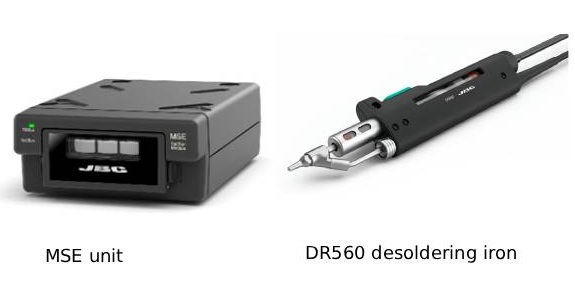
Board-to-board connectors, sensor headers and through-hole components on infusion-pump, monitor and diagnostic instrument PCBs are often through-hole mounted for mechanical strength. JBC desoldering tools clear plated through-holes quickly and safely for connector and component replacement without pad or via damage.
Medical device assembly frequently takes place in ESD-controlled or cleanroom environments under ISO 13485 quality systems, where consistent, documented processes matter as much as the joint itself. JBC's stands and tools comply with EC regulations and ESD recommendations, with intelligent stands that cut power automatically when a tool is set down.
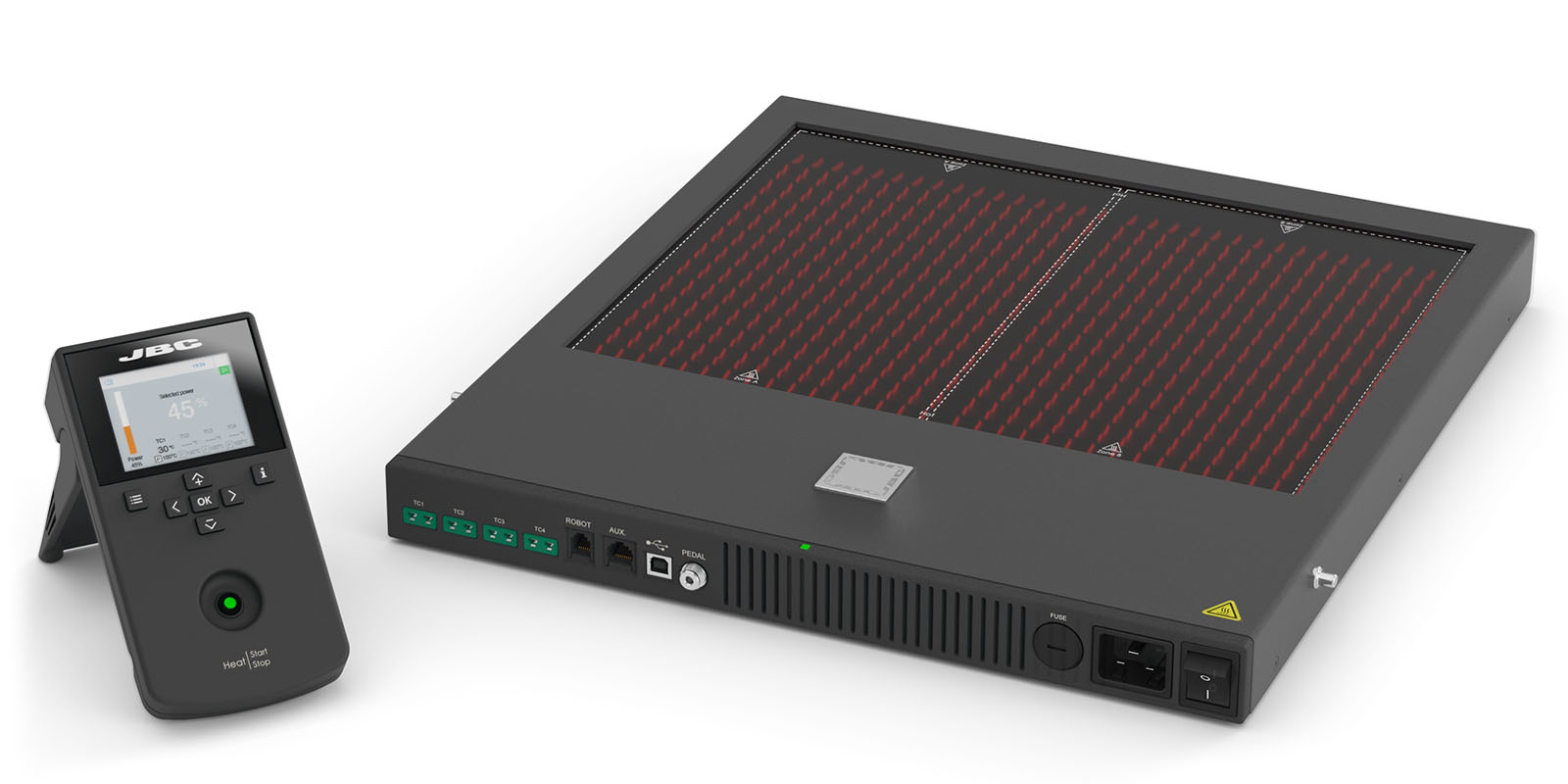
Larger automotive PCBAs and panels are prone to thermal shock and warping during rework. JBC preheaters bring the whole board to a stable base temperature before localised rework, while PCB support and fume extraction protect both the board and the operator on the rework bench.
Preheaters & Rework Benches
Avoids thermal shock on large multilayer medical device PCBs during rework
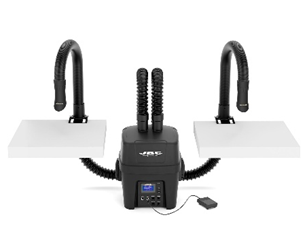
Fume Extractor Kit for 2 Workbenches
Captures solder fumes at source on medical device assembly and rework benches